


WHY ORGANIZATIONS NEED A UNIFIED VIEW OF DATA STORES
Data management has become increasingly complex: data stores are growing, costs are rising, and regulations such as DORA require higher levels of transparency and control.
At the same time, the information needed to understand how data stores are used is often fragmented—spread across different tools, disconnected metrics and partial views.
Answering critical questions becomes difficult, such as:
- Which data stores impact application performance?
- How consistent are processes from an audit and compliance perspective?
- Which data stores are outdated or underused?
DS-Watch (DataStore-Watch) was created to meet these specific needs.
DS-WATCH: ONE SOLUTION, MULTIPLE CAPABILITIES
DS-Watch is the latest solution within the RES Suite, designed to provide a clear, integrated and observable view of enterprise data store usage.
It analyzes each data store across its full scope:
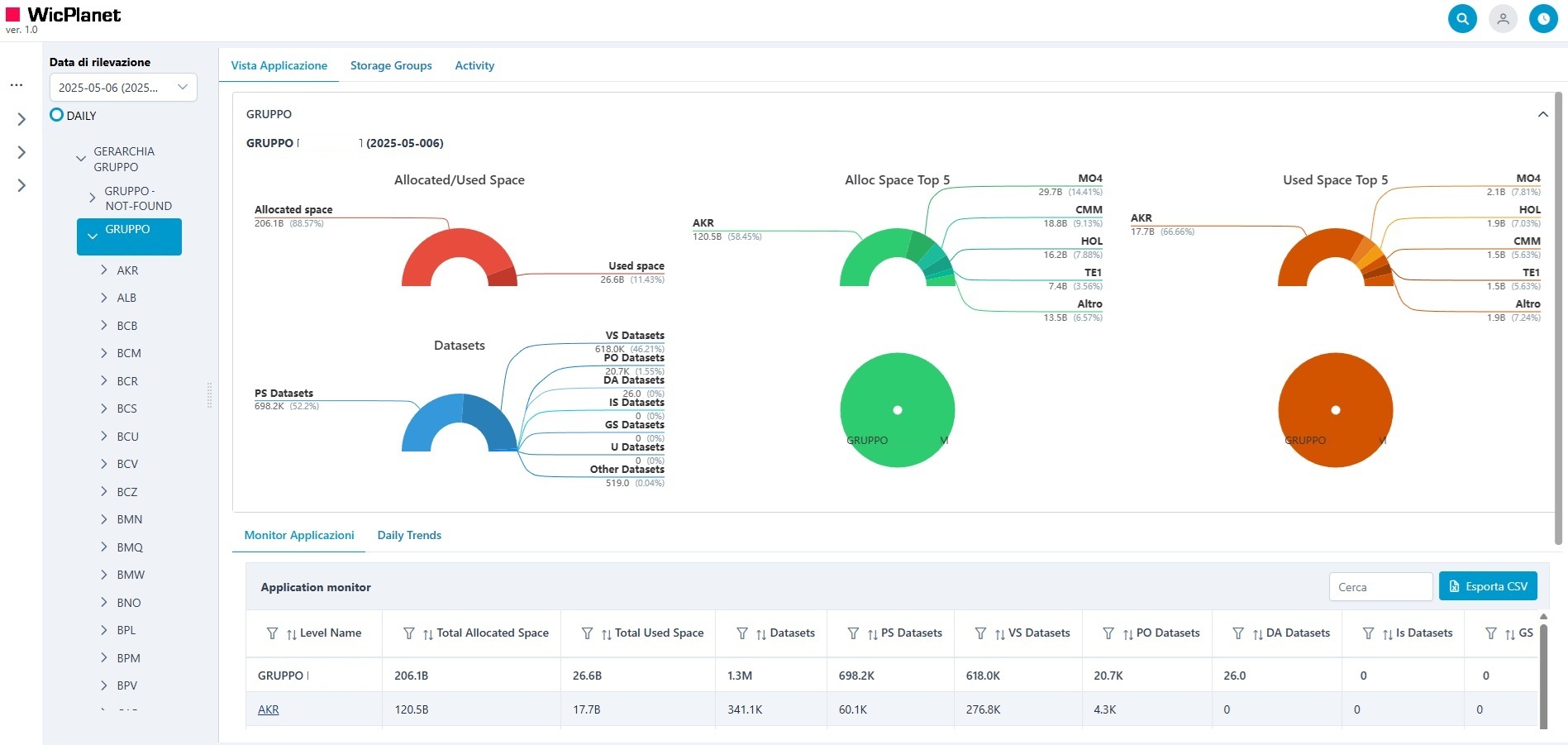
- At rest → structure, allocation, used space
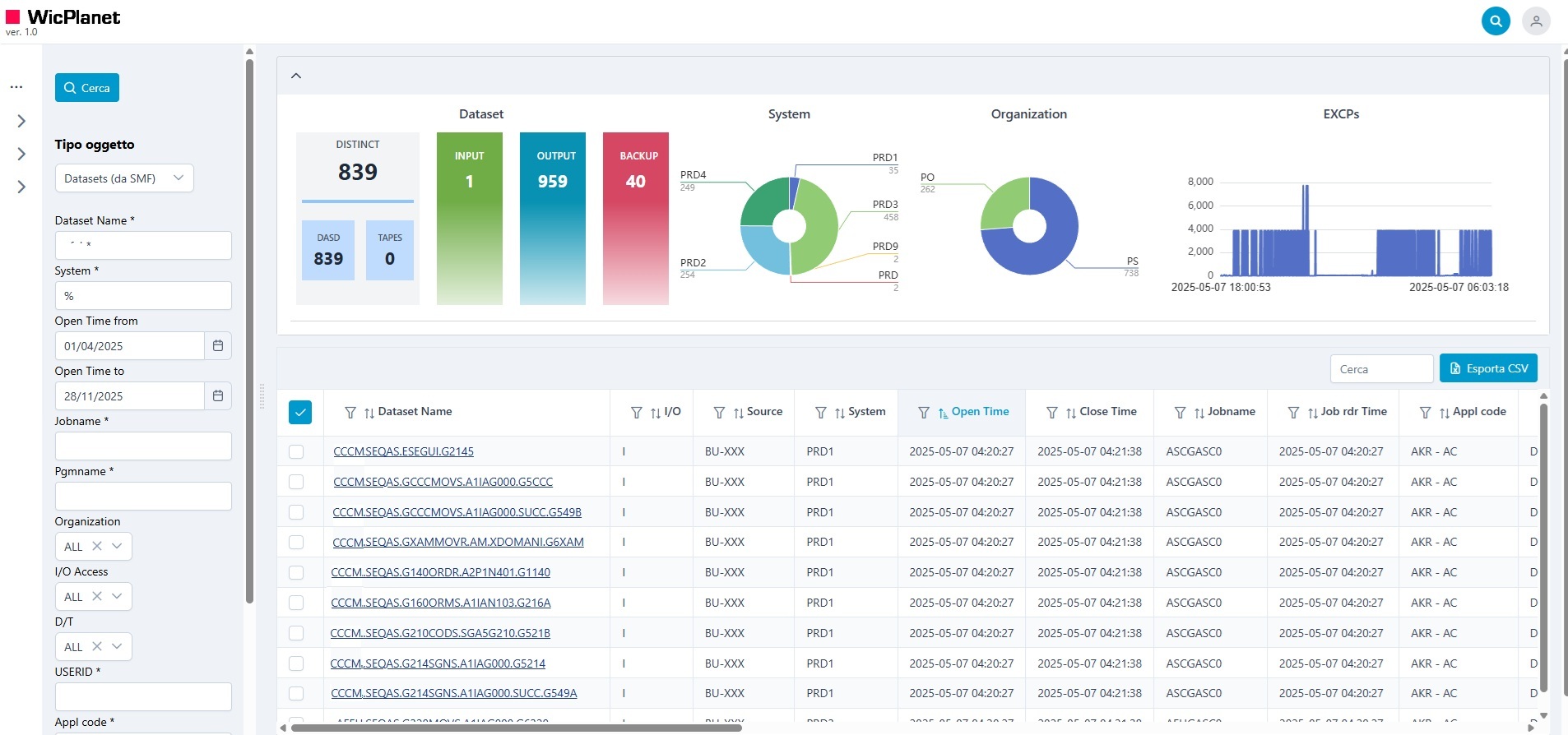
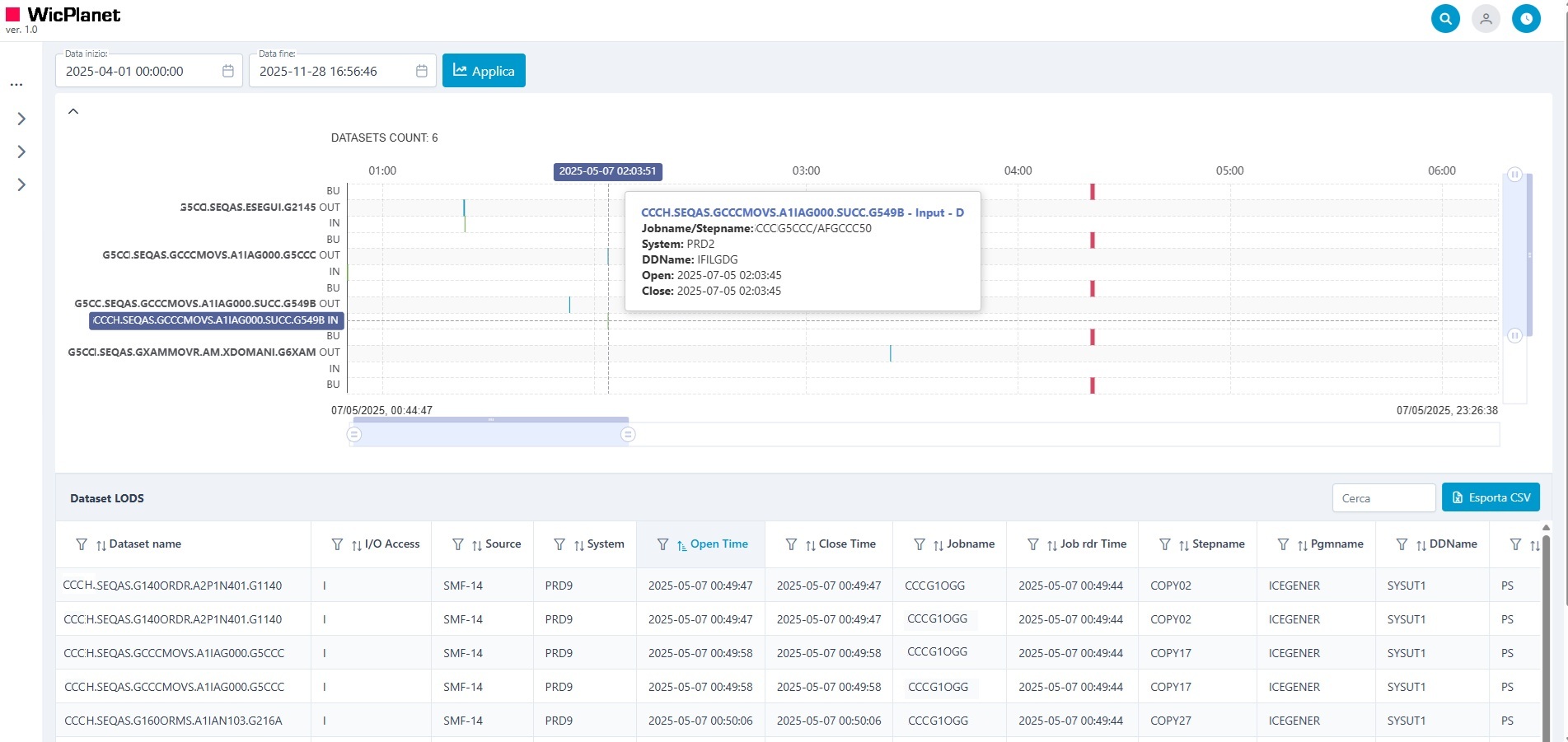
- In motion → access patterns, I/O activity, response times, relationships with batch processes and transactional components
The result is a single analytical environment that brings together infrastructure, application and performance perspectives.
For the first time, data stores, storage and applications operate within a shared, consistent framework.
UNDERSTANDING DS-WATCH: THREE DOMAINS OF ANALYSIS
DS-Watch organizes information across three main views, fully integrated with each other:
- Infrastructure: capacity, volumes, Storage Groups, allocation and actual disk space usage
- Applications: relationships between data stores, batch jobs, transactional components and application contexts
- Performance: KPIs on access patterns, I/O activity, response times and system impact
An intuitive navigation model allows users to drill down to a single dataset or table, while always maintaining the full application and infrastructure context.
KEY BENEFITS FOR YOUR ORGANIZATION
GREATER VISIBILITY
A single, integrated view of data, storage and applications.
COST REDUCTION
FASTER DECISION-MAKING
SISSIMPLIFIED COMPLIANCE
CROSS-DOMAIN CORRELATION
Want to learn more?
Or GET IN TOUCH